
5 minutes reading
Key Takeaways
- Social engineering attacks succeed by exploiting trust, urgency, fear, and human error.
- Multi-factor authentication and email verification reduce the impact of credential theft attacks.
- Regular phishing simulations help employees recognize real-world attack patterns.
- Role-based security awareness training improves long-term behavioural change.
- Fast reporting and incident response reduce damage when social engineering attempts succeed.
Subdomain phishing is a cyberattack where criminals hijack forgotten or misconfigured subdomains of legitimate brands. They use these subdomains to send phishing emails that bypass spam filters and look completely real to victims.
In February 2024, Guardio Labs exposed a large-scale subdomain attack campaign called “SubdoMailing.” Criminals had taken over more than 8,000 domains from trusted brands and sent over 5 million phishing emails. The scary part: those emails passed every standard email security check.
Read the blog that cuts through the noise and guides you as a CISO on how to not only stay safe from such emails but also protect your company’s domain address.
What is Subdomain Phishing?
Subdomain phishing is a type of email-based attack that abuses legitimate subdomains, such as sale.brand.com or shop.brand.com, to send fraudulent messages. Because the domain belongs to a real, trusted company, spam filters treat the emails as safe. Victims see a familiar brand name in the sender address and rarely question it.
This differs from standard phishing, where attackers register lookalike domains. In a subdomain attack, the criminal does not need a fake domain. They use the real one.
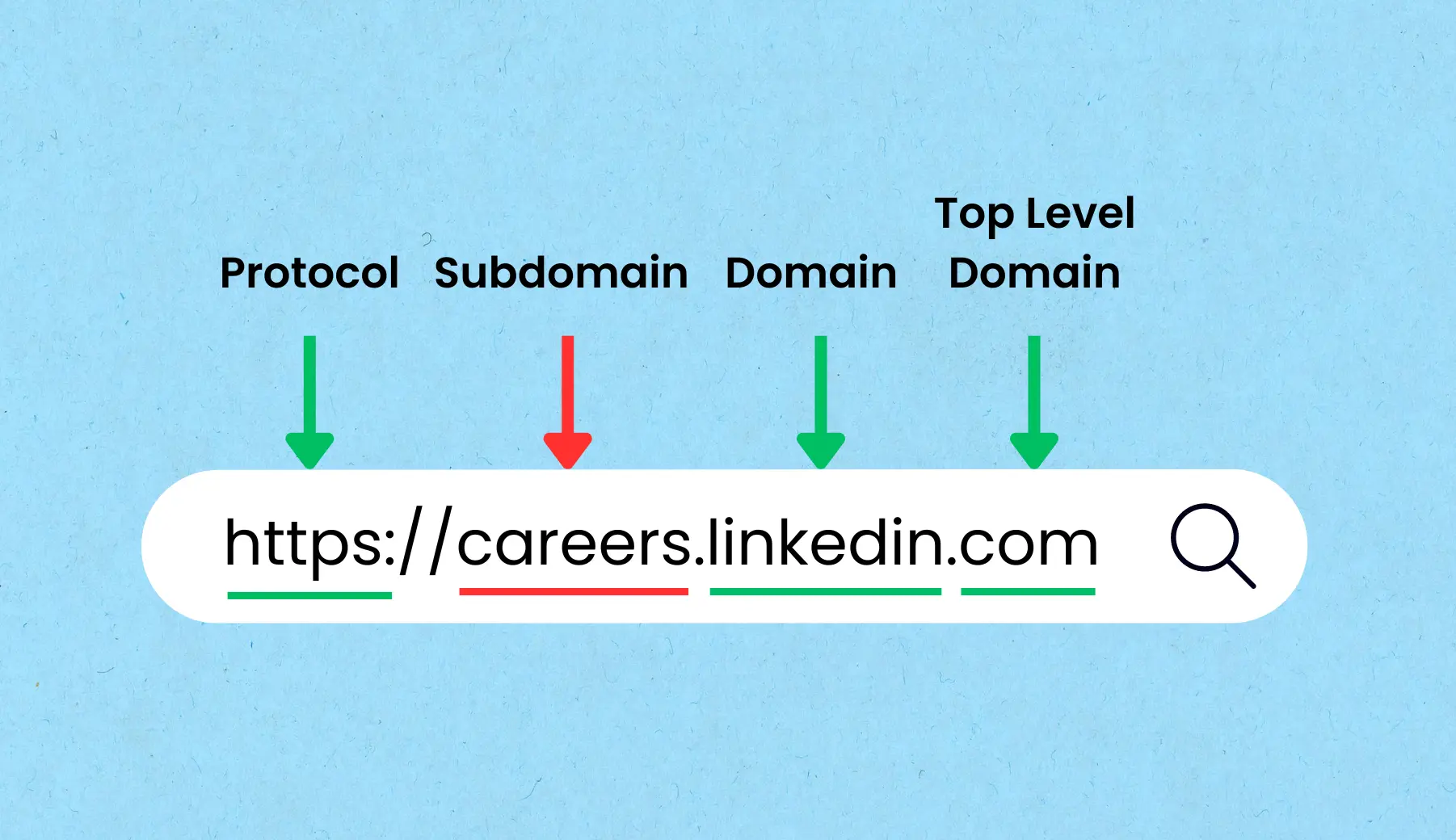
Why Subdomain Phishing Is More Dangerous Than Standard Phishing?
Standard phishing has visible red flags. Users notice odd domain names like paypa1.com or amazon-secure.net. Subdomain phishing removes those red flags entirely.
Here is why subdomain attacks are harder to catch:
Passes email security checks. The subdomain shares the parent domain’s DNS records. SPF and DKIM checks pass because the infrastructure is legitimate.
Looks real to the human eye. A URL like offers.mcafee.com or news.msn.com does not trigger suspicion. Users recognize the brand name before the subdomain.
Evades spam filters. Most spam filters score emails based on domain reputation. A hijacked subdomain of a Fortune 500 company is considered trusted.
Hard to trace. Attackers use the subdomain as a relay, not a destination. The actual phishing page lives on a separate server, making attribution difficult.
Brands such as MSN, CBS, and McAfee have had their subdomains compromised in these campaigns.
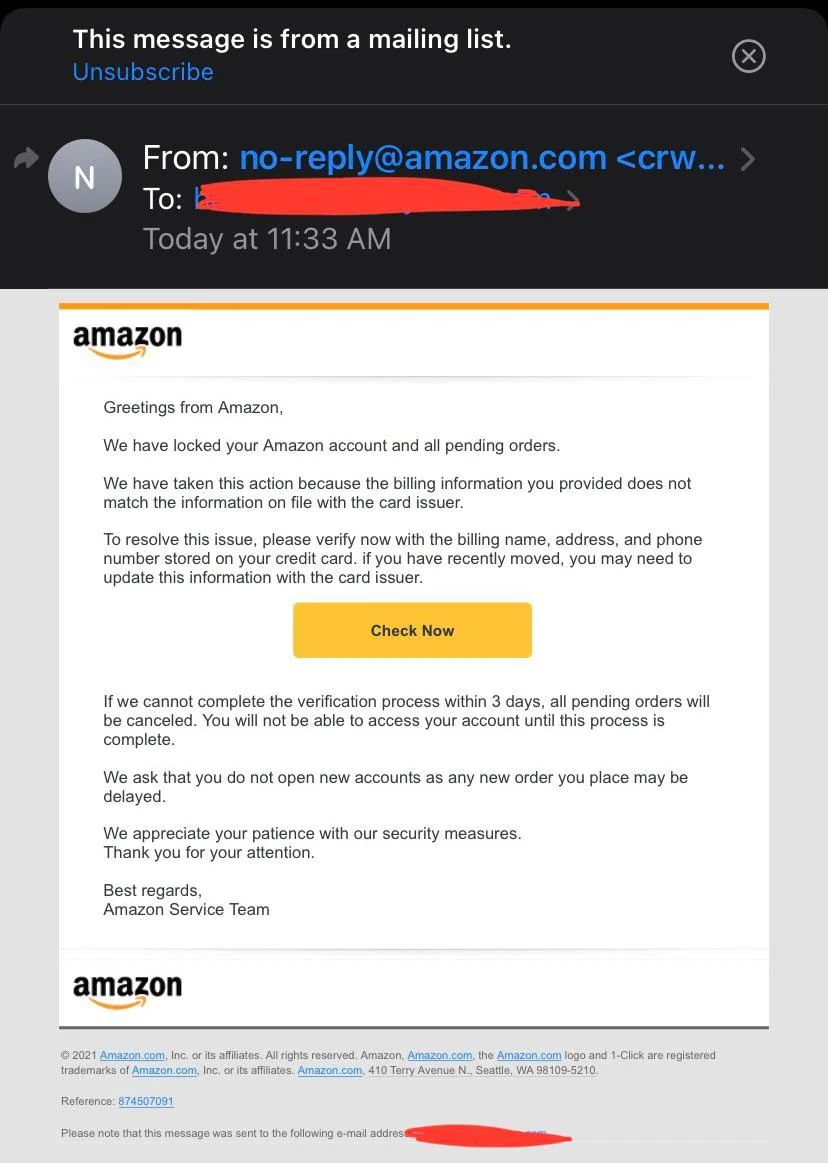
Organizations must acknowledge the evolving landscape of cyber threats, given the alarming trend of hijacked subdomains from major brands being exploited in extensive spam campaigns.
- Rahul Powar, CEO of Red Sift
To understand how subdomaining works, it’s critical to know the backend process of the whole picture. Popular brands create sub-domains that appear before their brand name. For example, sale.myntra.com. Now, these subdomains are primarily used for web linking and redirects.
Naturally, brands often discontinue using these subdomains over time. Cybercriminals target these hidden subdomains, buy them, and use them under the same brand’s name to make their emails look more legitimate. Unfortunately, the spam filter considers these links legitimate from the brand and thus delivers the mail straight to your inbox.
How Does Subdomain Hijacking Work?
Subdomain hijacking follows a clear process. Here is how a typical subdomain attack unfolds:
- Step 1: Target identification. Attackers scan for subdomains that large brands have abandoned. These are often old campaign pages, regional sites, or third-party tool integrations.
- Step 2: DNS record exploitation. When a brand stops using a subdomain, the DNS record may still point to an external service. The attacker registers that service, claims the dangling DNS record, and gains control of the subdomain.
- Step 3: SPF and DMARC bypass. The hijacked subdomain inherits the parent domain’s email reputation. If the brand’s DMARC policy is not enforced at the subdomain level, the attacker can send emails that pass SPF, DKIM, and DMARC checks.
- Step 4: Phishing campaign launch. The attacker sends thousands of phishing emails from the hijacked subdomain. Emails carry spoofed login pages, malware links, or social engineering lures, all under the guise of a trusted brand name.
- Step 5: Long-term exploitation. Subdomain hijacking often goes unnoticed for months. Attackers hold the subdomain and keep sending emails until someone reports the activity.
What Are the Signs of a Subdomain Attack?
Your organization may already be under a subdomain attack without knowing it. Watch for these signals:
- Customers report phishing emails that appear to come from your domain
- Unexpected DMARC failure reports from subdomains you do not actively use
- DNS records pointing to unclaimed or expired third-party services
- Sudden drops in domain reputation or email deliverability
Read more: A Brief Guide to Types of Social Engineering Attacks
In addition to affecting users, subdomain attacks significantly harm organizations by negatively affecting their brand image.
How to Prevent Subdomain Phishing
To protect your company’s name from phishing emails, you need to take critical steps. Tech giants have emphasized strict adherence to DMARC and other such protocols.
DMARC provides systematic insight into all emails sent from the organization’s domain, helping prevent misuse. It helps ensure the security of outbound email traffic, promoting the domain’s prestige and email deliverability.
The concern still raises the question of how to implement DMARC. Well, that’s when TDMARC comes into the picture. It’s a SaaS-based email authentication tool developed precisely to help businesses deploy and configure DMARC.
Here are some other generic guidelines to prevent subdomain phishing:
- Perform regular subdomain audits to monitor the status of organizations’ subdomains.
- Unused subdomains are a primary target for cybercriminals. Make sure to delete or repurpose the unused subdomains for an extended period.
- Create and strictly enforce policies for creating and managing brand subdomains, and specify who will be responsible for them.
- Ensure that experienced subdomains are renewed before their expiration to safeguard the domain and prevent attackers from misusing them.
- Lastly, the relevant employees should be trained and well aware of subdomain phishing and the importance of maintaining records of all subdomains in use.
Focusing on Solution – Conclusion
Keeping up with various types of phishing and implementing tools and systems can be overwhelming for brands. It’s, however, recommended to divert focus on solutions to ensure safety and seek aid from third-party experts for security.
Threatcop helps organizations identify and protect the weakest link in the system against cyber threats. You can quickly start your domain security journey with us; contact us to speak with an expert today!
FAQs
What is the difference between subdomain phishing and subdomain hijacking?
Subdomain hijacking is the method. Subdomain phishing is the outcome. An attacker hijacks the subdomain first, then uses it to run a phishing campaign.
How do subdomain phishing emails bypass spam filters?
The emails come from a subdomain with legitimate DNS records. SPF and DKIM checks pass because the sending infrastructure can be traced back to a real domain. Spam filters score it as trusted.
How do I check if my subdomains have been hijacked?
Run a full DNS audit of your domain. Look for CNAME records pointing to unclaimed services. Monitor DMARC reports for unexpected sending sources. Tools like TDMARC automate this process.
Can DMARC prevent subdomain phishing?
DMARC reduces the risk if it is configured correctly. You need to enforce a reject or quarantine policy at both the root and subdomain level. A misconfigured or permissive DMARC policy still leaves gaps.

Technical Content Writer at Threatcop
Ritu Yadav is a seasoned Technical Content Writer at Threatcop, leveraging her extensive experience as a former journalist with leading media organizations. Her expertise bridges the worlds of in-depth research on cybersecurity, delivering informative and engaging content.