
10 minutes reading
Key Takeaways
- DNS maps domain names to IP addresses for website access.
- Primary DNS is the authoritative source for creating and updating records.
- Secondary DNS is a read-only replica that ensures backup and continuity.
- DNS resolution flows through recursive, root, TLD, and authoritative servers.
- Using both primary and secondary DNS improves uptime, resilience, and reliability.
A DNS server is a computer server that keeps a database of hostnames and public IP addresses. It uses these to resolve or convert hostnames to IP addresses. DNS servers use unique protocols to connect to web browsers while running specialised software. The IP address of a website is more difficult to remember than a domain name or hostname, which are generally in the format of xyz.com. The DNS server facilitates communication between humans and computers by mapping domain names to IP addresses, making it easier to navigate the internet.
The hosts containing the DNS databases are called DNS servers or domain servers. They are interconnected and routinely communicate to coordinate directory information and establish redundancy. Primary DNS and secondary DNS servers are two different categories of DNS servers.
Questions like “What is the difference between primary and secondary DNS?” and “Do I need a secondary DNS server?” come up constantly among network administrators and IT teams. This blog answers both clearly.
Subscribe to Our Newsletter On Linkedin
Sign up to Stay Tuned with the Latest Cyber Security News and Updates

What is a DNS Server?
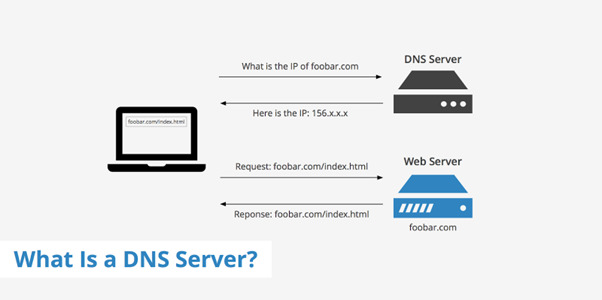
A Domain Name System (DNS) server is a server that translates domain names (such as www.threatcop.com) into IP addresses (such as 35.245.62.2). So, computers can communicate with each other using the Internet.
For browsers to load Internet resources, DNS converts domain names to IP addresses. Every server has a distinct IP address that other computers can use to locate it. DNS servers are often used to resolve domain names to IP addresses and vice versa, and can also store other information about domain names.
What is Primary DNS?
The system and the users do not speak the same language. A translator is needed to convert a user-entered domain name into the website’s IP address whenever a query arises. Computers use DNS servers for internal communication.
Every time we search for a website in a browser, the entry is converted into the domain’s corresponding IP address by the DNS server. The DNS record on the primary DNS server has the correct IP address for the hostname.
How Does Primary DNS Work?
The Domain Name System stores DNS records and converts domain names into IP addresses, which are easily understood by machines. These IP addresses are provided to the domain by the primary DNS servers.
These are the following steps decoded by the user during a query:
- Step 1: The user’s device contacts the recursive nameserver.
- Step 2: The recursive name server contacts the root server.
- Step 3: The root server refers to the recursive server as the top-level domain(TLD).
- Step 4: The recursive server contacts the TLD server.
- Step 5: The recursive server is again referred to as an authoritative name server by the root server.
- Step 6: The recursive server contacts the authoritative server.
- Step 7: The recursive server receives the final answer from the authoritative server.
- Step 8: The recursive server resolves the query and directs the browser to the destination.
All of these steps occur in milliseconds. While the Primary DNS is considered the “Authoritative Server” that holds the master record, it doesn’t work on its own. In modern networks, Primary and Secondary servers often work simultaneously to handle traffic. To ensure data stays consistent, the Primary server uses a Serial Number system; whenever you update a record, this number increases, signalling the Secondary servers to sync the new data.
Benefits of Primary DNS
Primary DNS has several advantages. Some of them are explained below:
- DNS servers automatically translate domain names into IP addresses. You never need to remember the numerical address of a site you visit regularly.
- DNS servers categorize and store lookup data, which speeds up repeat queries through caching.
- Primary DNS servers can be configured with security filters to block known malicious domains before a connection is made. This reduces exposure to phishing sites and malware. It does not replace a full security stack, but it adds a meaningful first layer.
- The DNS servers have a rapid internet connection. The systems installing the DNS servers can leverage these high-speed connections, which is one of the standout factors of the DNS servers.
- Running both a primary and secondary DNS server means your domain stays live even when one server goes down for maintenance or fails unexpectedly.
Book a Free Demo Call with Our People Security Expert

Enter your details
What is Secondary DNS?
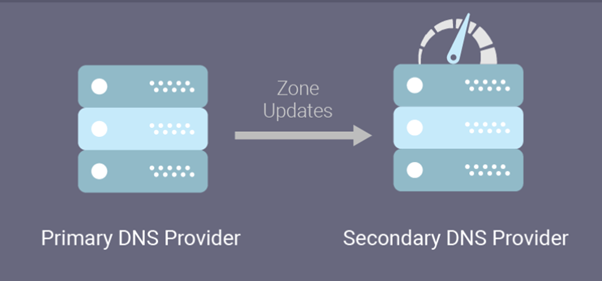
The secondary DNS server is an authoritative server that receives zone data via zone transfer from the primary server. As a result, the primary DNS and secondary DNS servers are connected.
The essential data stored on the primary DNS server is duplicated on secondary DNS servers. Through a process known as zone transfers, this data is frequently copied from the primary to the secondary DNS servers. As a result, there are more DNS servers that can handle user requests for your domain. A backup DNS server will respond to their request if the primary DNS server is unavailable.
Also, a secondary DNS server ensures that user requests for your domain are served, even if the primary DNS server fails. One secondary server may be classified as a high-tier secondary server if multiple secondary servers are in use, so that it can replicate zone file copies to the other secondary DNS servers in the pool.
How does Secondary DNS Work?
Properly configuring Secondary DNS ensures your website remains reachable at all times. Contrary to popular belief, a Secondary DNS isn’t just a “dormant backup” waiting for a failure. It actively shares the traffic load with the Primary server. By using a global footprint, a Secondary DNS provider ensures users are routed to the closest available server, significantly reducing latency and improving page load speeds.
A secondary DNS provider with a global footprint will also ensure that users are always routed to the closest available server, so their requests are responded to as quickly as possible.
A precise procedure that explains the working of the secondary DNS is discussed below:
- The first DNS client to receive a query is the DNS recursive resolver. To locate the correct IP addresses, it queries other DNS servers. Once the resolver gets a request, it operates as the client’s representative. It sends queries to the root name servers, the top-level domain (TLD), and the authoritative name servers of the other three DNS servers.
- The root name servers are responsible for responding to queries for records in the root zone of the DNS for the Internet. A list of the authoritative nameservers corresponding to the appropriate TLD for a domain name is included in the responses.
- The IP addresses of the second-level domain (SLD) are maintained within the top-level domain (TLD) name servers. The website’s IP address is then released, and a later request is made to the domain’s nameservers.
- The nameservers that respond to DNS requests and supply the requisite IP address are known as authoritative nameservers. These nameservers are nearest to the target host or resource.
Benefits of Secondary DNS
Benefits of a domain’s secondary DNS server include:
- The availability of Secondary DNS reduces load on the primary DNS, making it easier for customers to access the servers.
- Secondary DNS acts as a vital failover. If the Primary DNS is offline due to maintenance or a DDoS attack, the Secondary server continues to resolve queries seamlessly, ensuring zero downtime for your users
- Secondary DNS supports load balancing via round-robin. Each incoming request gets distributed across available servers, preventing any single server from becoming a bottleneck.
Difference Between Primary DNS and Secondary DNS
Both primary and secondary DNS servers store the same data and are active and ready to respond to online requests for a domain. We are still unsure of the difference between primary DNS and secondary DNS servers. Primary DNS servers host the zone files that control them, while secondary DNS servers provide redundancy and reliability.
| S. No. | Primary DNS | Secondary DNS |
| 1 | Contain all the accurate resource records. | Contain zone-file copies that cannot be modified. |
| 2 | Translates a human-readable domain into an IP address. | Provides a backup for the other DNS when the network has issues. |
| 3 | You must have at least one Primary server to host your records. | While technically optional, it is essential for enterprise-grade redundancy. |
| 4 | It contains data about the domain. requested and the IP address as well. | It contains data about a primary DNS server zone. |
DNS Security Risks You Should Know
DNS misconfigurations are a direct security risk, not just a performance issue. DNS hijacking redirects users to malicious sites without them realising anything is wrong. DNS spoofing injects false records into a resolver’s cache, serving the wrong IP address to every user until the cache clears. Organisations managing email domains also need correctly configured SPF, DKIM, and DMARC records, all of which live in DNS. A broken DNS setup does not just cause downtime; it gives attackers a way in.
Final Thoughts: What are Primary DNS and Secondary DNS
For a browser application or other device that needs to transform a human-readable hostname into an IP address, a primary DNS server is the first point of contact. This database contains all authoritative data for a domain, including its IP address, the name of the domain administrator, and numerous resource records. DNS records can only be changed by a primary server, such as updating an IP address. The primary server can then update secondary DNS servers. One DNS zone’s primary DNS server may be another DNS zone’s secondary server. Both primary DNS and secondary DNS work together to keep your domain fast, available, and resilient. A primary without a secondary is a single point of failure. A secondary without proper zone transfer configuration is an unreliable backup. Set both up correctly and treat your DNS infrastructure as the security-critical layer it actually is.
Most people use the internet to access websites by searching for specific domain names; however, computers do not understand these names; they only recognise and use IP addresses to identify and access websites. Despite its importance in allowing us to easily access the websites we want, many people give little thought to DNS security or the Domain Name System.
FAQs
hat are the different kinds of DNS records?
A separate file on the DNS server containing all essential mappings between domain names and IP addresses is present. A DNS zone description, or simply a DNS zone, refers to what this file's contents are known as.
Can a DNS server serve as both the primary and secondary DNS for the same zone?
A DNS server can be configured to act as both primary DNS and secondary DNS for the same zone. This is known as a hidden primary configuration. It can be useful when the zone administrator wants to ensure the zone data is not accidentally modified or deleted on secondary servers.
Why do we need a secondary DNS?
A secondary DNS server serves as a backup for a primary DNS server in case the primary is unavailable or goes offline. This ensures that DNS queries can still be resolved and that the Domain Name System continues to function properly. Additionally, having a secondary DNS can help distribute load on the primary DNS and improve the overall performance of the DNS system.
How does DNS relate to email security?
DNS hosts your SPF, DKIM, and DMARC records. These records verify that emails from your domain are legitimate. Misconfigured DNS is one of the most common reasons organizations become vulnerable to email spoofing and phishing attacks.
To mark Cybersecurity Awareness Month, Threatcop collaborated with 31 respected CISOs and CTOs from prominent organisations. Together, we’re working towards a safer digital future.
Explore Here: 31 Cybersecurity Awareness Ideas from Security Leaders

Co-Founder & COO at Threatcop
Department: Operations and Marketing
Dip Jung Thapa, Chief Operating Officer (COO) of Threatcop, a leading cybersecurity company dedicated to enhancing people security management for businesses. With a profound understanding of cybersecurity issues, Dip plays a pivotal role in driving Threatcop’s mission to safeguard people’s digital lives.